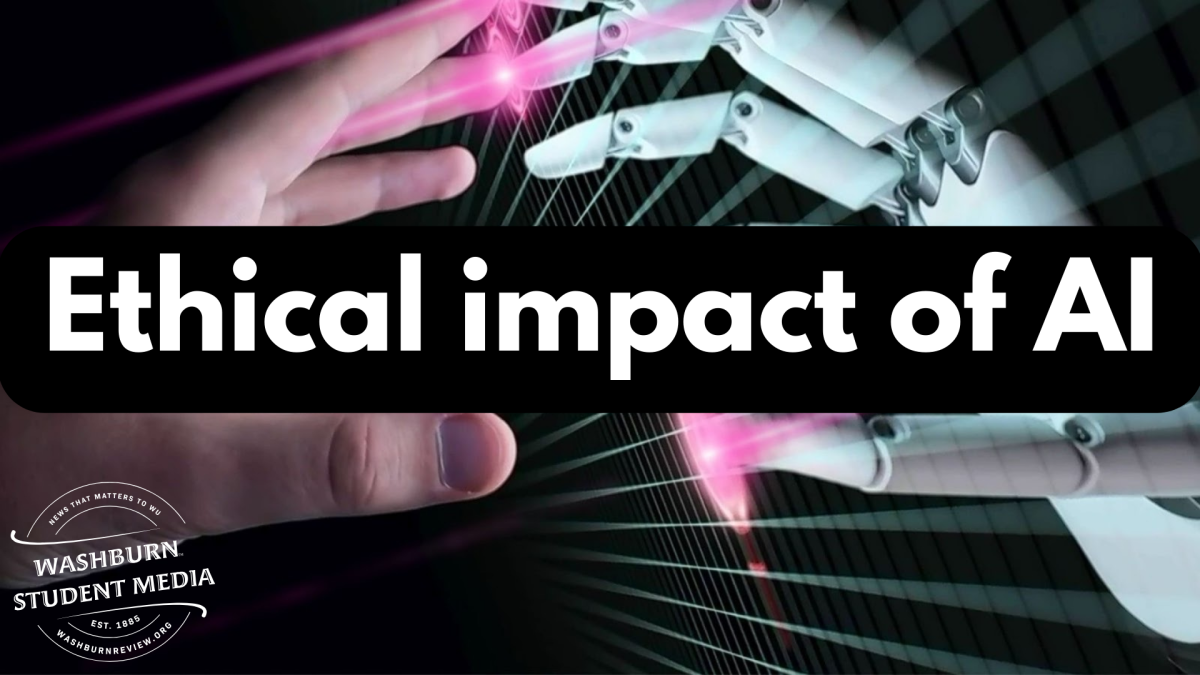
Artificial Intelligence is the field of computer science that involves building systems that can perform tasks that typically require human-like cognitive abilities. AI is made up of billions of databases that feed on our questions and gives us the desired outcomes. Nowadays, our life has been much easier with AI tools. But at what cost?
We use different AI tools in our day- to-day life like ChatGPT, large language model, cursor AI and many more. Its definition varies from person to person on how they use it and how it benefits them. Its ethics refers to the moral principles and guidelines that govern the development, deployment and use of artificial intelligence to ensure it benefits society while minimizing harm.
Issues related to privacy, biases and transparency remain paramount for building AI systems that fall under its principles.As corporations continue to embed AI into their day-to-day processes, establishing frameworks ensuring AI applications are within legal and ethical bounds is increasingly important. AI ethics examines the societal implications of widespread AI usage around issues like fairness, algorithmic biases, justice, accountability, transparency and privacy.
One of the ethical domains includes transparency where an AI tool must explain the queries understandable and it should be well documented. AI should not just give you the answer but it should explain how and why the answer is presented and where it came from. In any case AI gives wrong answers humans hold the accountability as AI feeds on the data we provide them.
There have been a lot of controversial cases due to this. AI tools must treat your data with the same level of trust and respect as when you tell your stuff to a counsellor. It should be confidential however some AI does record and save your data but no one can get access to your privacy except for you. AI is built on past data which often contains human bias. This domain makes sure that the tool does not discriminate against people based on their skin color, race or ethnicity. Some tools are built for specific companies where only people with certain qualifications can get access to work and are qualified for the job.
According to Professional & Executive Development of Harvard University, AI ethics examines the societal implications of widespread AI usage around issues like fairness and privacy. It also explores how AI affects the environment and its potential impact on the workforce. AI data centers require more water resources than traditional data centers, and even AI innovators like Anthropic CEO Dario Amodei foresee widespread white-collar job loss, projecting that AI could replace 50 percent of all entry-level white-collar jobs within the next five years.
It has also pointed out how ethical implication is critical for leaders. Second, understanding AI ethics helps leaders build a holistic picture of the coming AI-Age, and the concomitant risks and opportunities.Understanding how ethical issues affect a business’ day-to-day operations, such as privacy-related issues, in addition to the broader implications of AI on the economy, the workforce, and the environment, will enable leaders to make informed and balanced decisions.
In one of the articles it is mentioned that Designing ethical principles for responsible AI use and development requires collaboration between industry actors, business leaders, and government representatives. Stakeholders must examine how social, economic, and political issues intersect with AI and determine how machines and humans can coexist harmoniously by limiting potential risks or unintended consequences.
Lastly, AI policy also includes human agency and autonomy that means no AI tool should be a replacement for your own creativity or judgement. It can be your supportive tool to help you out but not a replacement. If a tool gives you an answer it’s up to you whether you want to take it or not. It cannot stop your decision making process
In conclusion, artificial intelligence continues to reshape how people work, communicate and make decisions, raising important ethical questions that cannot be ignored. As the technology becomes more widespread, concerns over privacy, bias, accountability and transparency grow increasingly urgent. Addressing these issues requires clear standards, responsible oversight and a commitment to placing human values at the center of innovation. By approaching AI development with ethical responsibility, society can benefit from technological advances while reducing potential harm and maintaining public trust.
Edited by Bidhya Sapkota and Stuti Khadka