The NCAA transfer portal is an online system that allows college athletes to declare their intent to transfer and be contacted by other schools during specific windows. The NCAA portal was once a restrictive system that limited immediate eligibility after switching schools. But now it has evolved into a free-agency-style marketplace, allowing athletes unlimited transfers without loss of eligibility.
The transfer portal shifted dramatically in 2021 when the NCAA began allowing student-athletes to transfer without sitting out a year of competition. Since then, the “one-time transfer exception” has turned the portal into a year-round cycle, encouraging coaches to maintain a continuous approach to recruitment.
But how is this portal affecting the athletics departments at Washburn? Is it able to benefit the coaches from different sports for better or worse?
We reached out to all head coaches via email and interviewed some of them to ask about the current situation regarding how they select athletes through this portal and how it is affecting them.
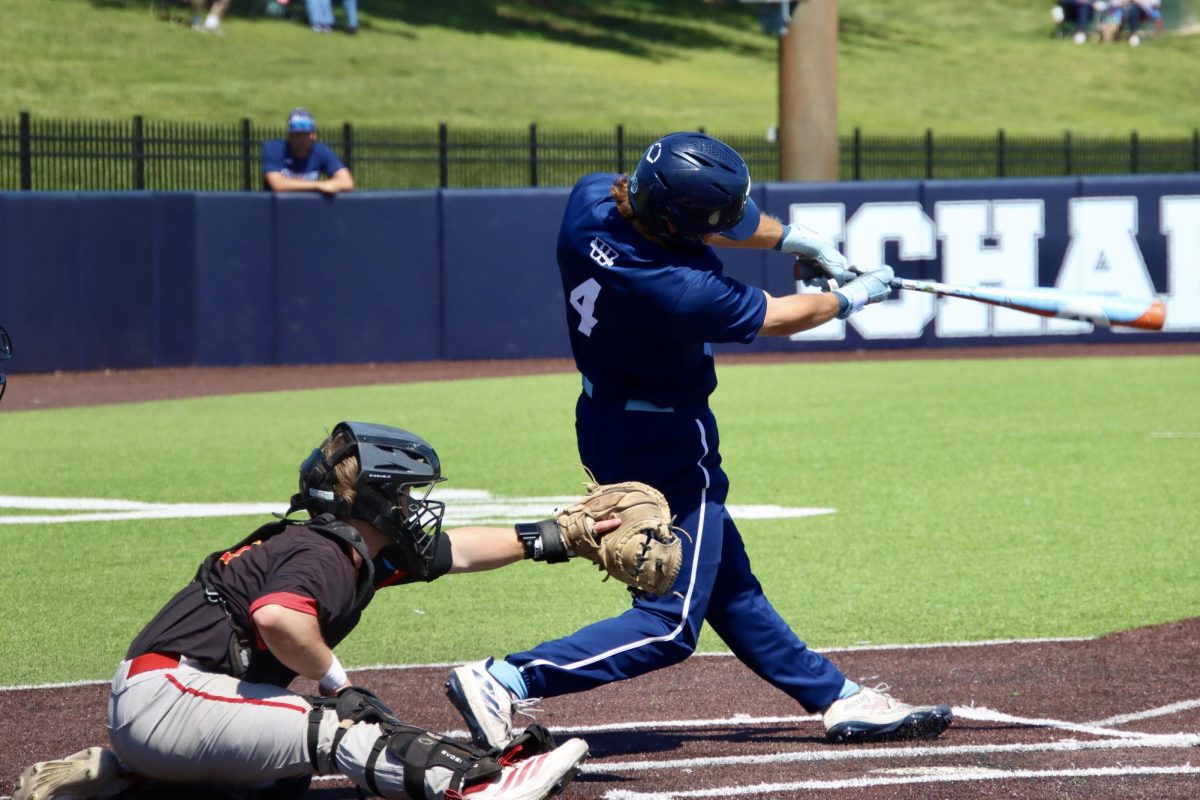
The impact of the transfer portal is felt heavily within Washburn University’s athletic department. For some Washburn coaches, it is a lifeline to immediate success. While for others, it is a threat to the very culture they have spent decades building.
“It’s another component of recruiting,” said softball head coach Brenda Holaday, who noted the process is rarely easy for student-athletes.
“There are thousands of athletes in the portal in every sport and many will not find another place to play,” Holaday said. “It’s a big and impactful decision. You have a very small window of time for a school to reach out, bring you in for a visit, make an offer and reach a decision. A process that many athletes spent a year on in high school is now happening in just a few weeks.”
Men’s basketball head coach Brett Ballard has seen the portal’s impact intensify as Division I schools increasingly scout top Division II talent.
“It’s definitely changed over the past few years, especially with the D1 schools having more and more interest in recruiting our best players away,” Ballard said.
While Washburn remains focused on high school talent, Ballard has adjusted by bringing in high-level Division II transfers. The results have been tangible with transfer players who have filled major roles for Washburn from the past two seasons, including Jacob Hanna, the First Team All-MIAA selection and conference Defensive Player of the Year, and Jeremiah Jones, who also secured All-MIAA honors and a Defensive Player of the Year title. They are joined by Bryson Smith, an All-MIAA selection and Marcus Glock, both of whom have played major minutes and served significant roles in the Ichabods’ rotation. These players represent a strategic shift for Washburn, which now supplements its high school recruiting with high-level Division II transfers to maintain its competitive edge in the MIAA.
The stakes for entering the portal are absolute. While the system offers athletes a chance at “greener grass”, for some coaches, it remains skeptical to embrace the change fully, maintaining a strict policy.
Volleyball head coach Chris Herron mentions that he rarely uses the portal to look for athletes.
“Kids who are in the portal are usually there for the wrong reasons. Not always, but most either want money, which means they will have little loyalty or they are not good teammates,” Herron said.
Herron is known for a strict approach he calls the “Turd Rule.”
“If you are a turd, we flush you, so why would I want kids who care for more about money than they do about their teammates, the university or kids who will not fit our culture,” Herron said.
Despite his caution, the volleyball team has a few transfer students from the portal, such as junior defensive specialist Autumn Gibbs. According to Herron, Gibbs is a good fit for the team, as she transferred last January and was an instant impact player with her skill set.
As for the football head coach, Zach Watkins, he states that it’s a “one-way door” and he makes sure that all the athletes have really thought about it and makes sure they know the ins and outs of transfer rules before they get in the portal.
“If you decide to get in the portal, you are not coming back to our team. We wish you well, but we want to recruit and retain kids who want to be here,” Watkins said.
The football program has leaned heavily into the portal’s advantages, welcoming 17 transfer students this semester alone while losing some of them in December.
“But we do our due diligence; we make sure we do background checks,” Watkins said. “We do a lot more off-the-field stuff that we check on than just on-field, so character, academics, all those kinds of things. The film always speaks for itself, but we make sure that we bring in the right kid.”
Tennis head coach Kirby Ronning takes a more optimistic view of the portal, seeing the portal as a way for student-athletes to maximize their short collegiate careers. He highlighted Casie Curry, a transfer athlete who helped lead the women’s program to the NCAA Elite 8 for the first time in program history in 2023.
“I think that there tends to be more negative feelings toward the transfer portal than there should be,” Ronning said. “The transfer portal is a great tool to use to find a place that they feel they will have the best experience.”
At Washburn, the transfer portal is no longer a trend. It is a permanent fixture of the landscape. While it can be a one-way door that leads away from a program, it can also be the gateway to a championship legacy. Ultimately, the system is neither purely positive nor negative; its impact is defined by the decisions of the players who enter it and the coaches who vet them.
The portal hasn’t changed what it means to be an Ichabod. Whether a player is a four-year veteran or a transfer student, they are bound by the same expectation and the mission remains unchanged. The NCAA may provide the players, but it is the culture that makes them stay.
Edited by Arohi Rai and Anushma Dahal