While Washburn University encompasses the Washburn Law School, it seems as though the School of Law remains in its own bubble with only occasional overlap. While it’s true that the School of Law is Washburn’s only school that focuses exclusively on post-graduate education, it also has its own library, building, clubs and student government.
The Washburn Student Bar Association is the law-school equivalent of the traditional student government system.
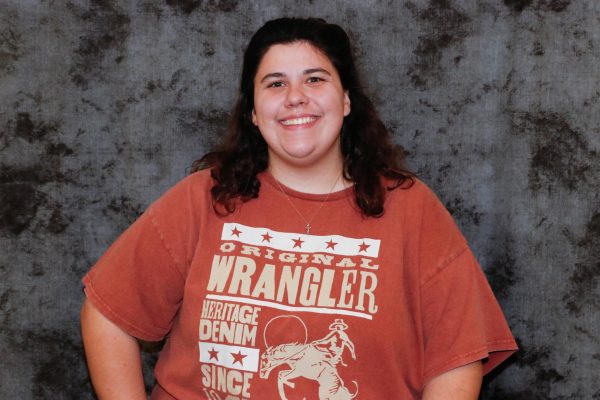
Michael Gallegos, a second-level law student, serves as the WSBA president. He is passionate about fostering a strong relationship among the students across campus in order to help mitigate any fear undergrads might face while considering law school.
One way Gallegos is continuing to nurture the relationship is through the annual “Insight Night” that occurs every April.
“Dean Jackson will be talking about what law school is and what it consists of,” Gallegos said. “Then there will be tours and then there will be a panel of students who talk about their experience and that just gives the undergrads an idea of what law school is.”
While law school can certainly be difficult, WSBA strives to relieve some of the pressure, through events like Barrister’s Ball.
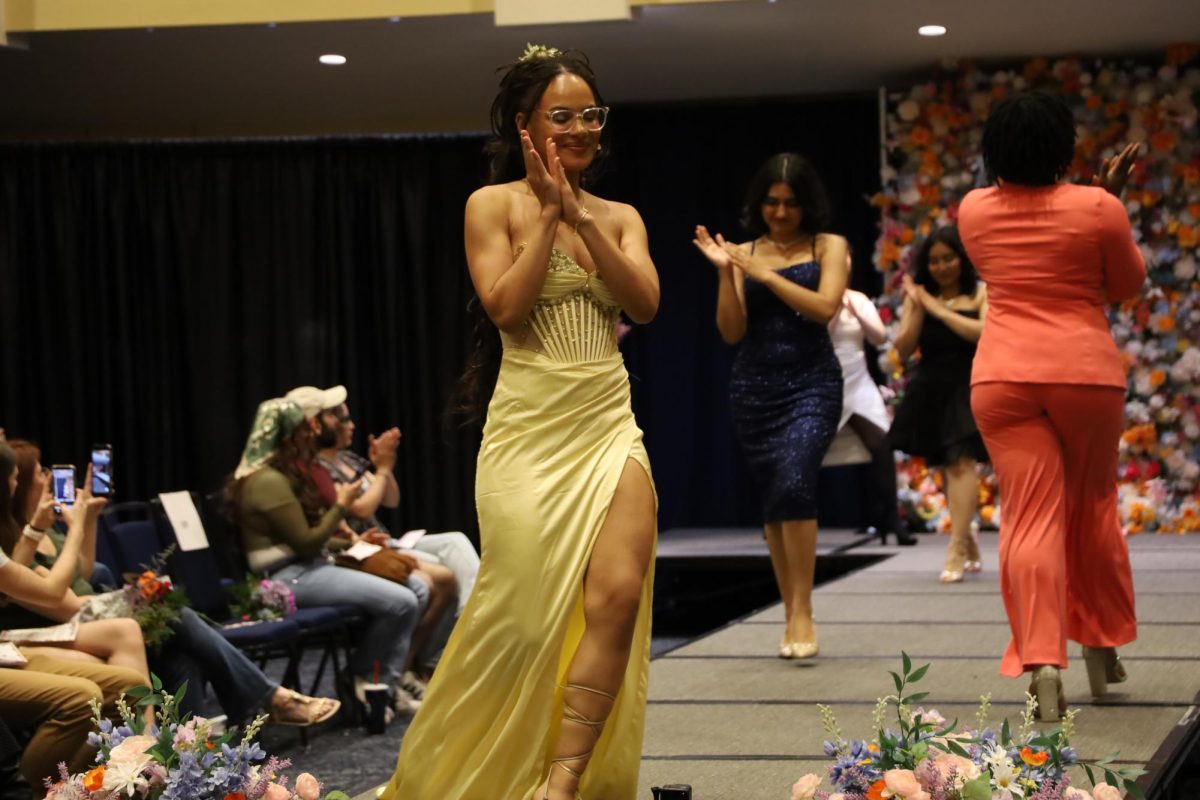
Barrister’s Ball is an annual formal event, similar to a prom, hosted by WSBA. Tricia Combs, a second-level law student, serves as the director of this year’s ball. The ball is a charity event to raise money for public interest scholarships.
Public interest law is the representation of individuals and communities that are typically marginalized or underrepresented. The government sector does not generally pay first-year law associates for their work in public interest law.
Barrister’s Ball aims to encourage first-year associates to take on this important work, while also compensating them for their effort.
“Typically during the Barristers’ Ball, we do a live auction where professors will donate their time for different events,” Combs said. “We have professors that will band together and take students to a baseball game, and we got to do an escape room with some of the professors last semester. Our students are the ones who will bid on those, so the scholarships are funded for students by students.”
This year, the Barrister Ball Committee decided to add a new element to the event to raise even more funds for the scholarships.
“This year, we’re reaching out to alumni, and we’re doing a silent auction as well and letting them know that it’s funding students who are going into public interest areas,” Combs said. “Those are areas in which we’re really needing to see people go into.”
These types of events and traditions have helped shape the culture and tight-knit community at Washburn Law.
“That first year in law school, you’re here from eight to five, you’re with the same people all day long,” Gallegos said. “Each section gets really tight with each other. You’re in class all the time with each other, you’re studying with each other, you’re losing your minds with each other.”
Gallegos said that although studying law is difficult, students shouldn’t get in their own way and think that they are not smart enough to handle it.
“You have to pursue it. If that’s something that’s on your heart, then you have to pursue it,” Gallegos said.
Combs said that all of the Washburn law students come from a variety of majors and diverse backgrounds and that there is no single path to law school.
Combs received her bachelor’s in communications and saw herself working at an advertising agency, but she had a family member who had a poor experience with the legal system. Then her plans changed.
“I just wanted to help it not be that way for people,” Combs said. “The justice system needs people. It needs really good people there, working and serving the communities, especially in rural areas.”
Gallegos’ own fascination with the law began as a teenager. He spent many hours in an attorney’s offices after he was struck by a vehicle at 13.
“A good attorney can change your life. It can change someone’s life so fast, and I figured I could change someone’s life if I became an attorney,” Gallegos said.
Gallegos’ passion for the law led him to Washburn, where he enrolled in the Law School Early Admission Program program.
LEAP is an accelerated degree program that allows Washburn undergrad students to transfer to Washburn Law School after three years of undergraduate school. The first year of law credits counts toward the final year of a student’s Bachelor’s degree.
Linsey Moddelmog, political science professor, has worked with numerous LEAP students in the past.
“LEAP students in general are high-achieving students. They’re driven and have strong work ethics,” Moddelmog said. “It’s wonderful because all those students save; they’re not paying for [extra] undergraduate credit hours.”
While there are accelerated law programs across the state, Washburn’s program offers a unique perk.
“If you are a Washburn student, it comes with the promise of the first-year tuition free at Washburn law and at least $5,000 in scholarships in the second and third year,” Moddlemog said. “We’re the only LEAP program that also has a huge financial incentive that really helps students.”
Students interested in pursuing the LEAP program can speak with their academic adviser to learn more. Anyone interested in applying for LEAP can use this form.
Edited by Anushma Dahal and Arohi Rai