Artificial Intelligence is advancing faster than many expected, moving beyond research labs into everyday life. It is now used in classrooms, workplaces and personal devices, shaping how people communicate, work and solve problems. As its presence grows, so does a sense of uncertainty about what that means for the future of human jobs.
As an AI student myself, I see both the excitement and the concern up close. Learning how these systems work has shown me just how powerful they can be, but it has also made me realize their limitations. That perspective makes it easier to understand why so many people are worried, while also questioning whether those fears tell the whole story.
AI systems can already write reports, analyze large amounts of data and generate images within seconds. Tasks that once required hours of human effort can now be completed almost instantly. For some industries, the shift feels less like a possibility and more like an early reality.
This has led to a broader fear that companies may eventually rely more on AI than on human employees. Faster output and lower costs make automation appealing, especially in competitive markets. As a result, workers in fields ranging from customer service to creative industries are questioning how secure their roles will be in the long term.
However, the idea that AI will completely replace human workers may be overstated. From what I have learned, AI still depends heavily on human involvement. It requires people to design systems, train models and monitor outputs. Without that ongoing support, AI cannot function effectively.
AI also lacks true understanding and judgment. It processes information based on patterns rather than meaning, which can lead to errors or misleading results. Human oversight remains essential to interpret outcomes, correct mistakes and provide context. In many situations, AI serves more as a tool than a replacement. It depends on patterns and probabilities unlike human consciousness and comprehension.
There is a difference in giving answers and actually understanding the meaning of it. AI is based on training data it feeds on that gives us what we ask for and it does hallucinate and gives wrong answers too. In that case, it still needs to be under human control.
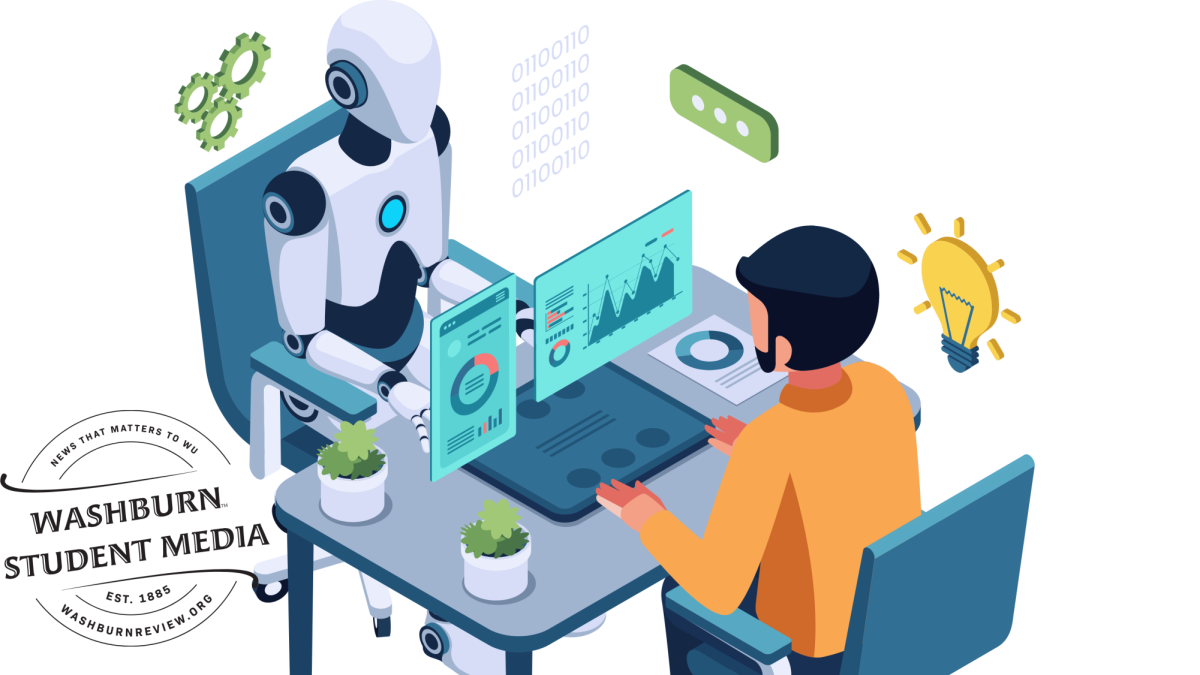
Rather than eliminating jobs entirely, AI is more likely to change the nature of work. Some roles may decline, but new ones will emerge, particularly those focused on managing and collaborating with AI systems. As an AI student, I believe the future will depend on how well people learn to work with these tools rather than compete against them.
The rapid rise of AI raises valid concerns, especially for workers facing uncertainty. Still, its limitations suggest that humans will continue to play a central role. Instead of a future defined by replacement, it may be one shaped by adaptation and cooperation between people and technology.
Edited by Stuti Khadka