You know what’s the cool thing about elephants? “It’s that they have really, really cool trunks and that’s cool.”
It’s 2005 and Jawed Karim uploads a video from the San Diego Zoo. It’s shaky, awkward and funny without trying. He’s just standing talking about elephants, making up sentences as he goes. No edits. No intro. No aesthetic. Just a young guy with a camera and a moment he wanted to share.
That video became the first thing ever uploaded to YouTube. It didn’t shape the internet, but it offered a tiny glimpse of what online spaces were going to feel like in the beginning: real people, in real places, doing normal things.
For a while, that’s exactly what the internet was: a collection of lives that weren’t trying to be perfect. College students documenting dorm life. Kids trying out new hobbies. Someone baking in their tiny kitchen. Someone filming inside a messy room where nothing matched.
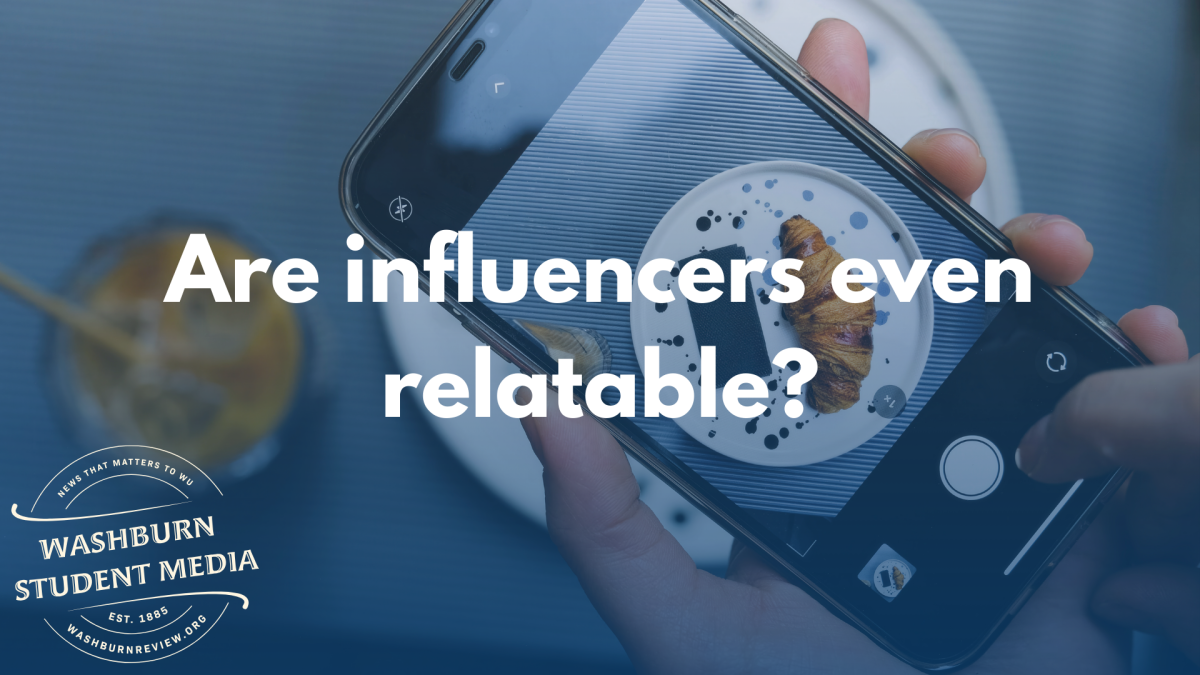
The early influencers weren’t “influencers.” They were just people. But somewhere between that 18-seconds zoo video and now, everything shifted. As YouTube and Instagram exploded, people slowly started watching less TV and more content creators. Brands noticed that shift quicker than anyone. Suddenly, influencers who started out filming on their phones were approached with sponsorships. Money entered the picture and everything changed.
Research shows that authenticity used to be the strongest predictor of follower trust but once sponsored content became normal, that authenticity softened. One study even states that sponsored content often diminishes perceived authenticity. And honestly, you don’t need a study to know that. You can feel it when you scroll.
The relatable girl with tangled hair became the girl with professional lighting and a skincare partnership. The guy filming tech reviews in his bedroom became the guy filming in a studio with LED strips and three cameras. The “day in my life” videos that used to be chaotic and honest turned into 4K mini-movies.
Influencers who began as everyday people slowly had to turn themselves into brands to survive. One researcher puts it perfectly: “Creators are embedded in a platform economy that incentivizes professionalization, branding, and continuous performance.”
And that’s another thing: algorithms.
There is a study called “Playing the visibility game,” and it says influencers must create what the algorithm favors, not what they genuinely want to share. So instead of posting normal life, creators post what will perform: perfect kitchens, perfect angles, perfect bodies, perfect farms, perfect everything.
Even the creators who try to look “simple” like the trending farm-life vloggers often have full crews, tripods, microphones, multiple lenses, color grading and a management team. What looks relatable is anything but.
But here’s the hopeful part and maybe the most human part. There is a small wave of people posting unedited videos again. Messy rooms. Blurry photo dumps. Random clips with no storyline. Late-night talks with bad lighting. And those posts get genuine comments because they feel like someone is being human again.
And maybe that’s all people ever wanted from the internet in the first place. The platforms don’t need to return to 2005. But it would be nice if more creators felt allowed to show the parts of their life that aren’t symmetrical or sponsor-friendly. The parts that feel familiar instead of aspirational. The kind of content that reminds us the internet is made of people, not companies.
Edited by Stuti Khadka