-
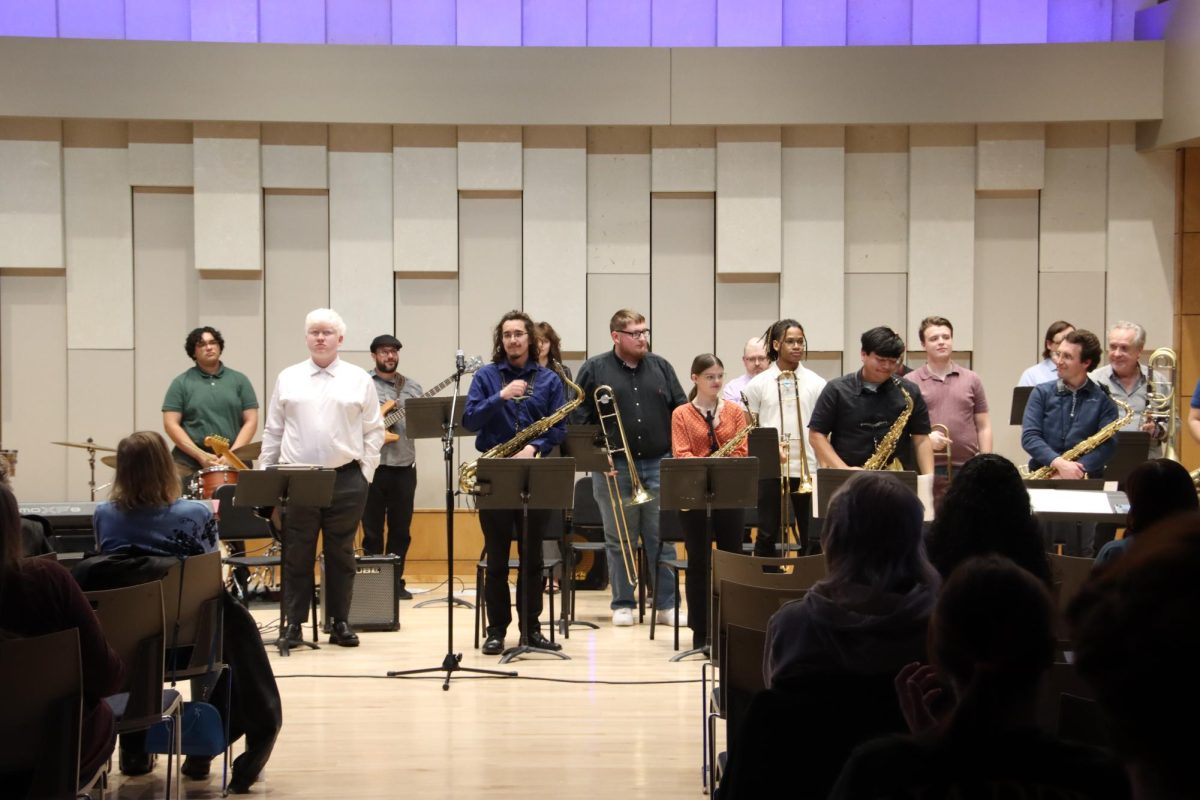
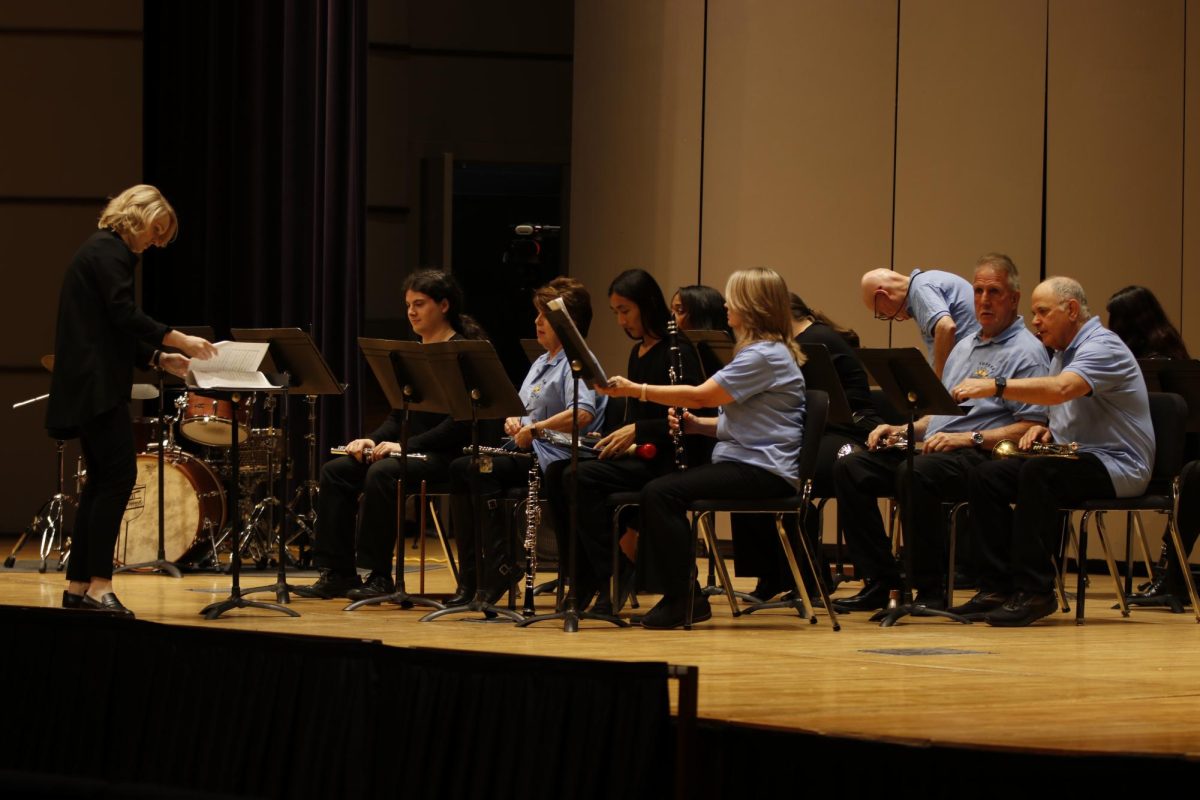
Craig Treinen, associate professor and chair of theatre and music department and director of jazz studies, organizes the Coleman Hawkins Jazz festival to honor Coleman Hawkins. The Washburn jazz group took part in the event which started from 8 a.m. -7:30 p.m.

-
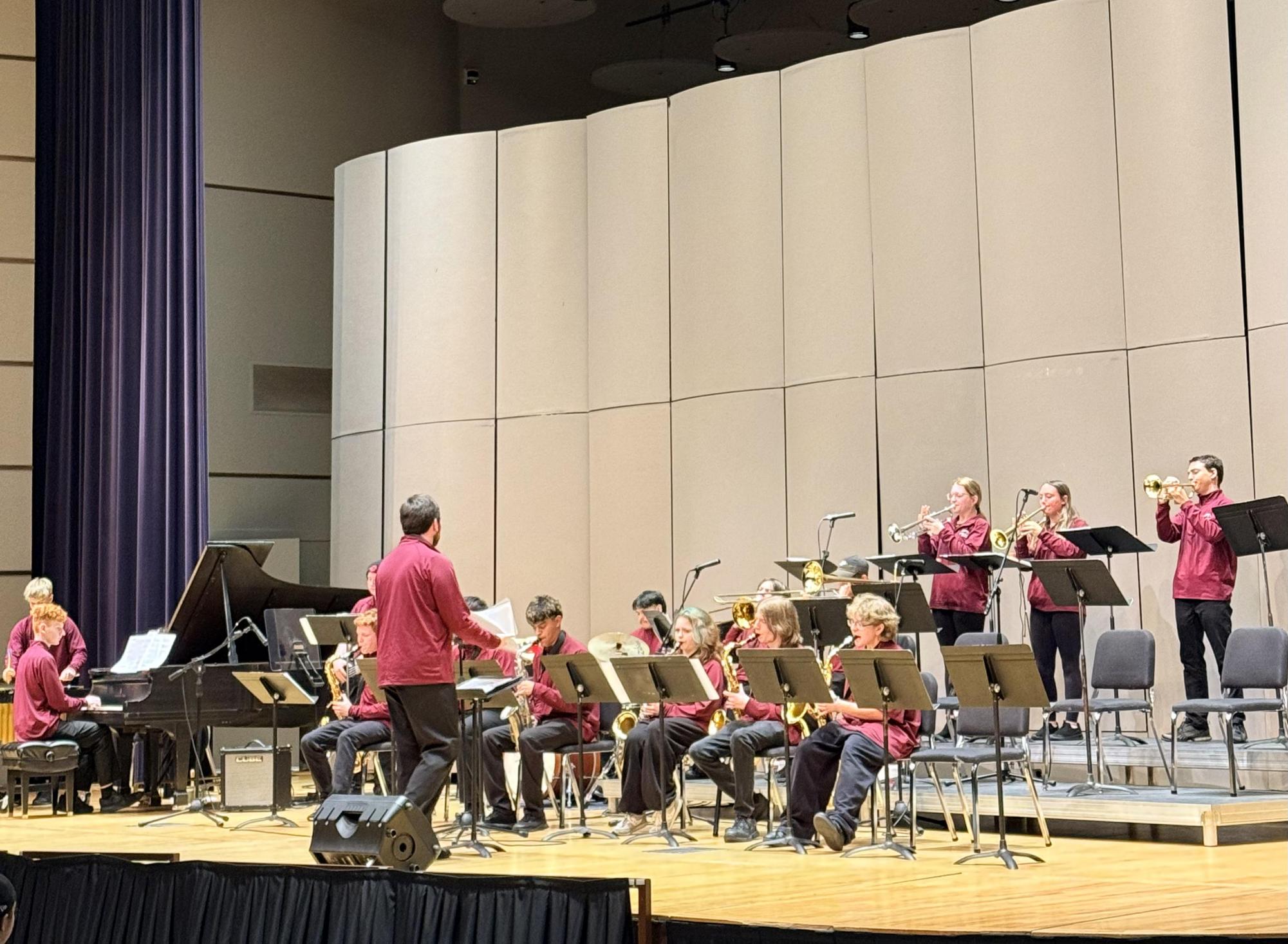
About 16 high schools from across Kansas participate in the event. Keaton Alexander directed the Salina Central Jazz Ensemble, who performed at the event.
-
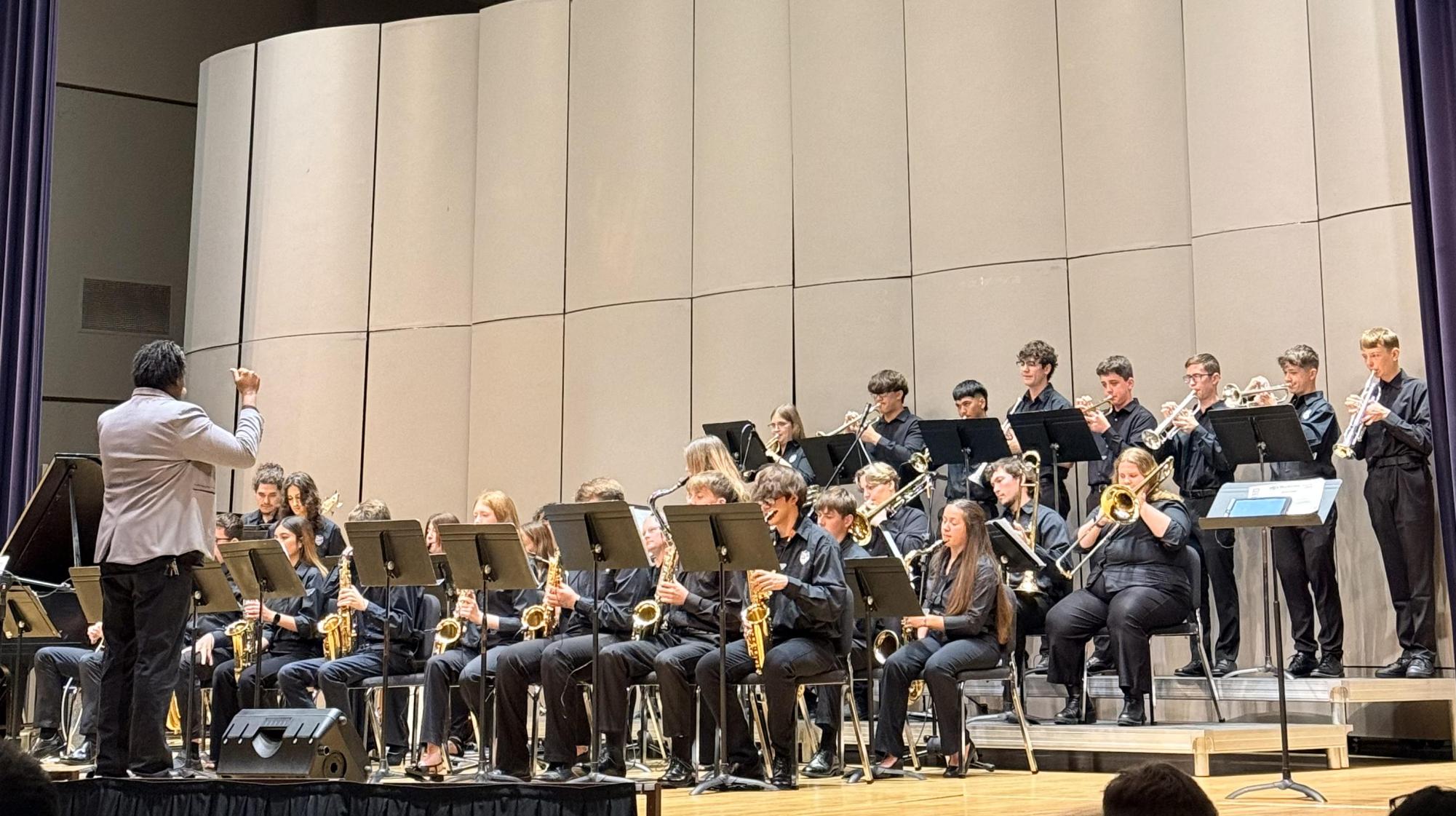
At the jazz festival, Samantha Boxberger directs the Junction City High School Lab Band. Students were exposed to different styles of jazz, giving them the chance to hear professional musicians perform as well as college groups.

-
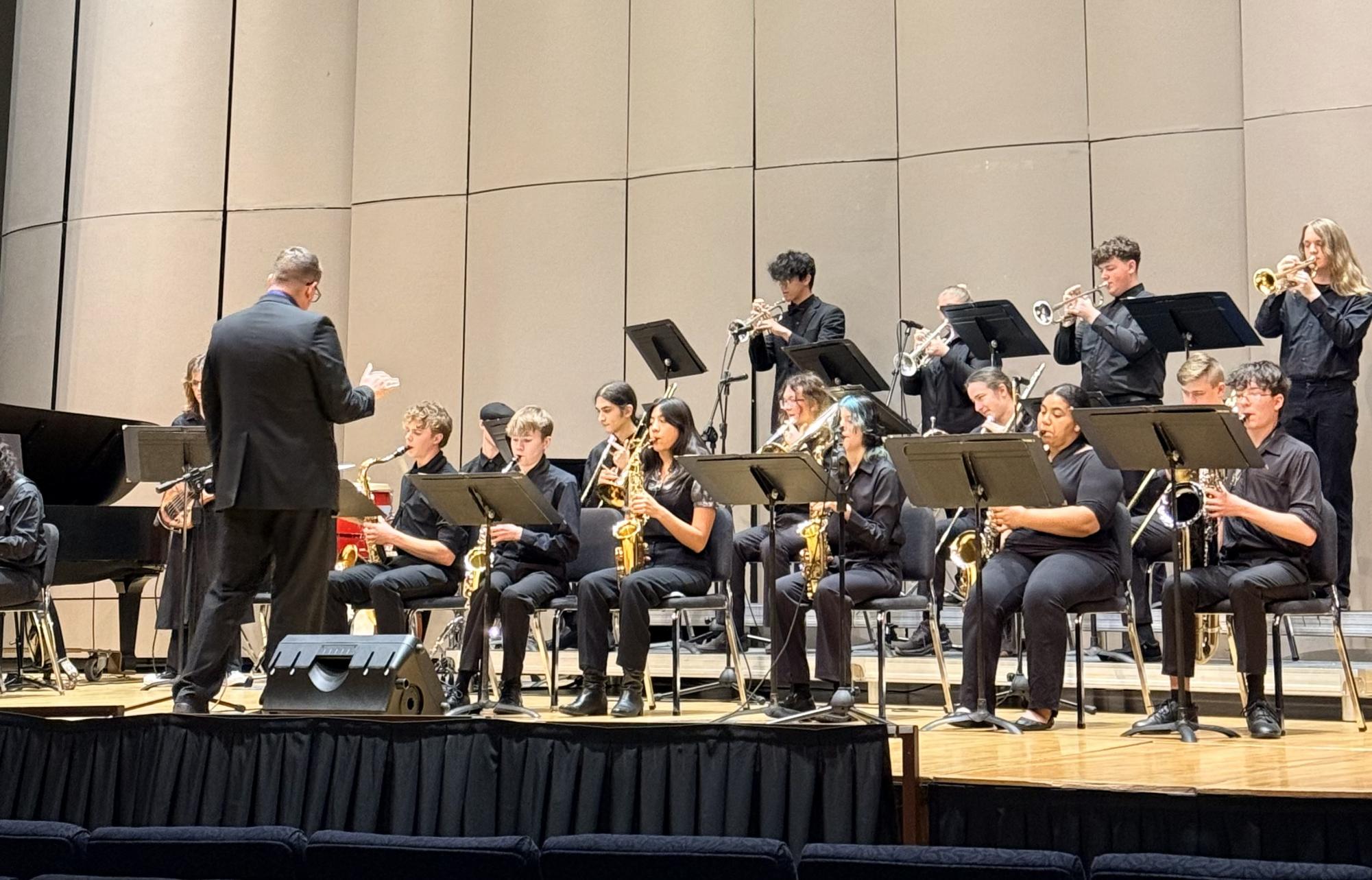
The event is open to the public and many guests attend to support their family members. Chris Exum directed Washburn Rural Jazz II, who performed at the event and received feedback and clinics from the judges.
-
The Manhattan High School jazz band is directed by Devin Burr. Each group’s performance was evaluated by judges, who assigned scores and offered feedback and clinics for improvement.
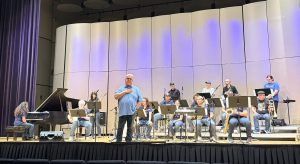

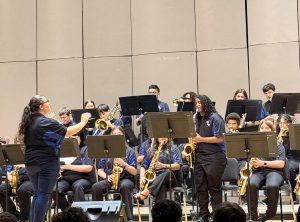
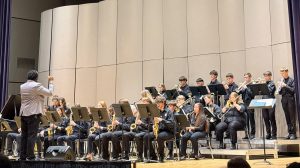
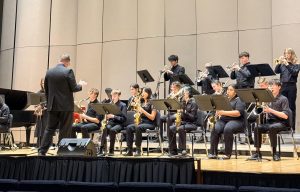
The Coleman Hawkins Jazz Festival took place on White Concert Hall on White Concert Hall on April 3 from 8 a.m.-7:30p.m. It was organized by Craig Treinen, associate professor and chair of theatre and music department and director of jazz studies, to honor Coleman Hawkins.
Coleman Hawkins, a graduate of Washburn University, was a jazz musician who helped establish the tenor saxophone as a major instrument in jazz. His performances and recordings played a key role in shaping the development of jazz in the 20th century. The festival, which has been held for over 30 years recognizes his connection to the local community.
Around 16 high schools from across Kansas took part in the event. Judges evaluated each group’s performance, assigned scores and provided feedback and clinics to help them improve.
“The aspect of it [event] is having a chance for directors to hear other groups from around the state and with this type of event, they all get a chance to come up and perform and then have a clinic and a master class for each of their groups,’’ Treinen said. “It’s a very educational setting. It is really not too performance based but it also has an educational component with it.”
Treinen talked about the importance of exposing students to different styles of jazz, giving them the chance to hear professional musicians perform as well as college groups. This allows students to experience a variety of jazz styles and learn from both professionals and peers.
“It gives an opportunity for a lot of the schools to come here and visit our University who have never attended,” Treinen said.
Treinen added how students come to the festival to learn about jazz and the music and how the experience can inspire them to attend other music camps during the summer.
“My vision goes throughout the long term. The group rehearses throughout the course of the school year and everything we do builds up to our performance,” said Herschel McWilliams, founder and director of live jazz KC. “I hope that it [event] brings recognition to a few things. First of all, the great work that Washburn is doing to build its music program and bring these opportunities. Students from around the area perform, as well as bring recognition to the music department here which is full of great staff and great musicians.”
McWilliams talked about how connecting with the audience depends on how the music is performed. He said that when musicians do their job well, the audience stays engaged and listens closely to every note mentioning that the goal is to create excitement.
“We look forward to coming back next year with a whole new band of students, for the most part because this band changes all the time,” McWilliams said. Many guests attended the event to support their family members. Terry Walton, retired teacher who earned a theater and English degree from Washburn, was present to support her grandson.
“I think that the coolest thing about jazz is that there aren’t limits in any way, no musical limits, no emotional limits, no any kind of limits,” Walton said. “It’s a really good way for everybody to express their own thing and it’s accepted […] I’ve watched Washburn grow. Seeing things like this and being able to walk across the hallway to the new Recital Hall was a wonderful experience. Washburn has a lot more to offer than people know, that’s for sure.”
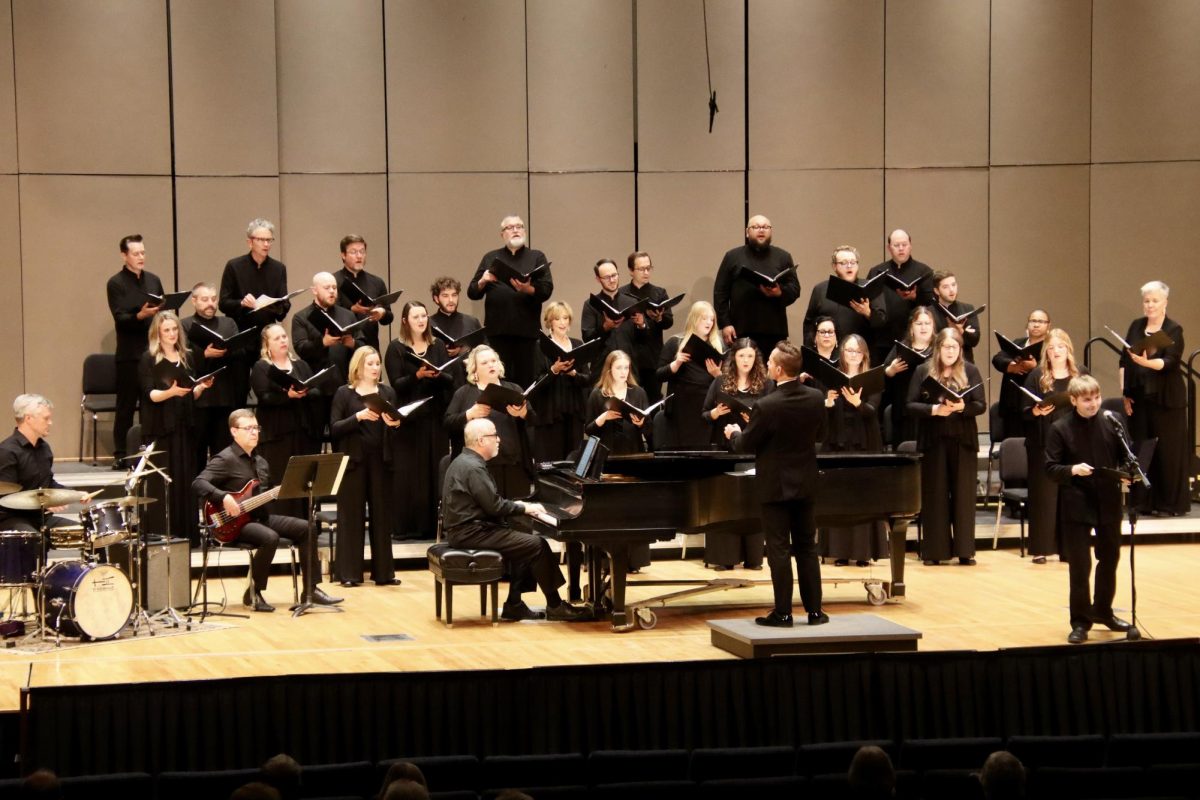
The event ended with a live performance by the Washburn jazz group.
Washburn University will host a summer jazz camp from June 1-5 on campus. The camp will feature six professional jazz artists who will lead workshops, provide private instruction and teach students about improvisation, jazz history and music theory. Students will work in small jazz combos and gradually build their skills, culminating in a performance at the end of the week. Each evening at 7 p.m. the artists will also give an hour long performance open to the public. Registration for the camp is now open.
Edited by Bidhya Sapkota and Stuti Khadka